Back

Add to My Favorites

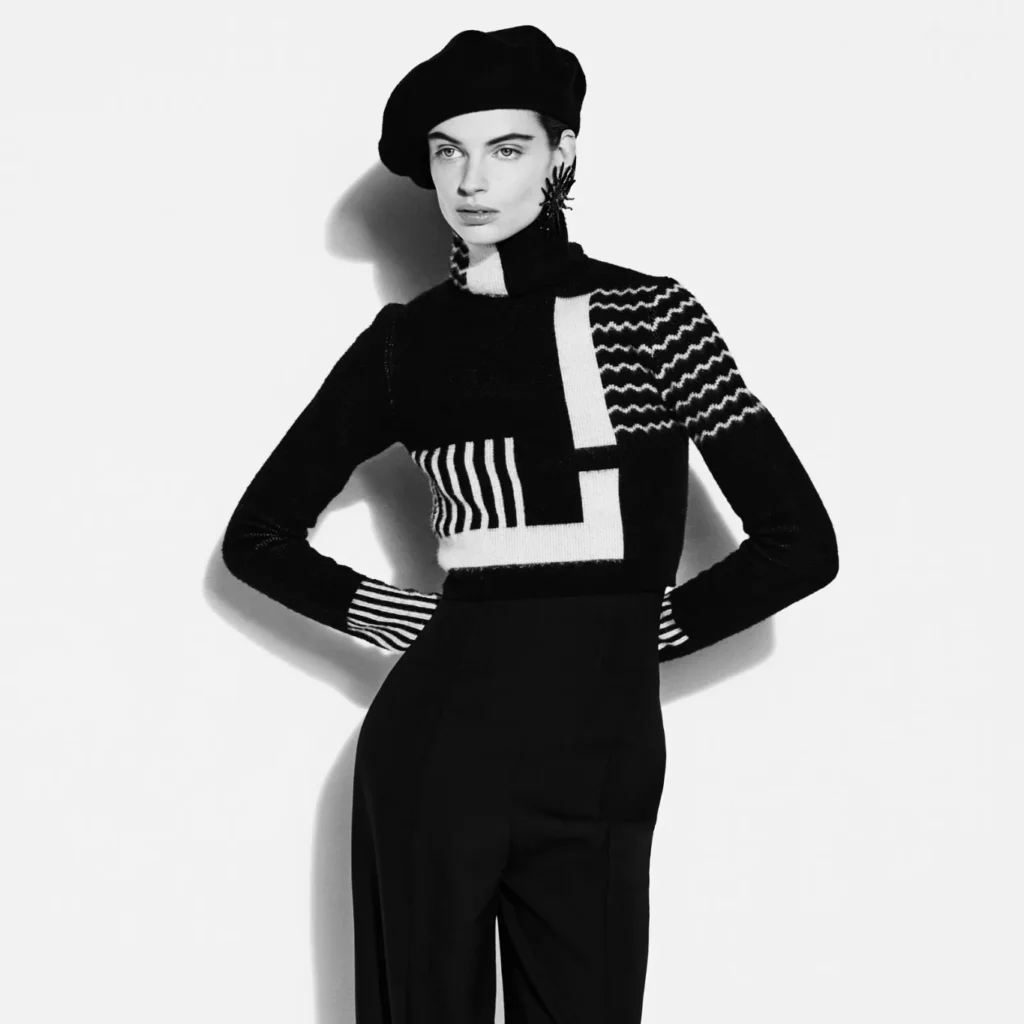
Schiaparelli, fall 2022 ready-to-wear Photo: Courtesy of Schiaparelli

Add to My Favorites

/

The History of Elsa Schiaparelli

By Joyce Bwenyi

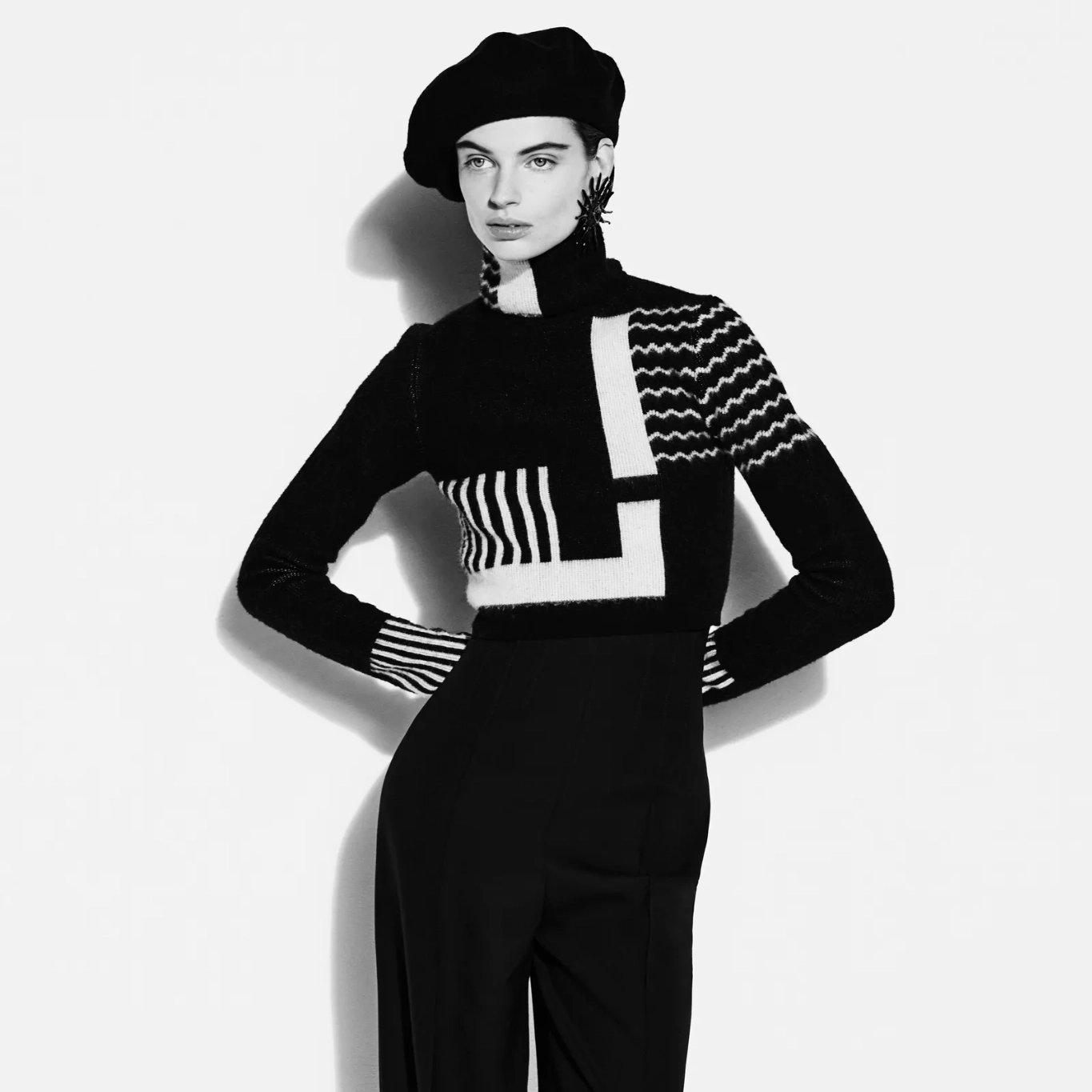
Schiaparelli, fall 2022 ready-to-wear Photo: Courtesy of Schiaparelli

Schiaparelli has never been about playing it safe. The brand’s magic comes from a taste for mischief and rejection of the norm. From Elsa’s early provocations to Daniel Roseberry’s current experiments, Schiaparelli treats fashion like a laboratory. From the outside looking in, this is a house where decorum seems to be optional – and that makes the designs much more interesting.

Elsa Schiaparelli founded her eponymous brand in 1927, after —(elaborate on her upbringing and early life). She didn’t come up through the usual channels. She skipped the formal training, but brought a sharp, conceptual mind to the table. While others saw dressmaking as a craft, she treated it as an idea. That’s why her early designs, especially the trompe-l’oeil, stood out right away. 

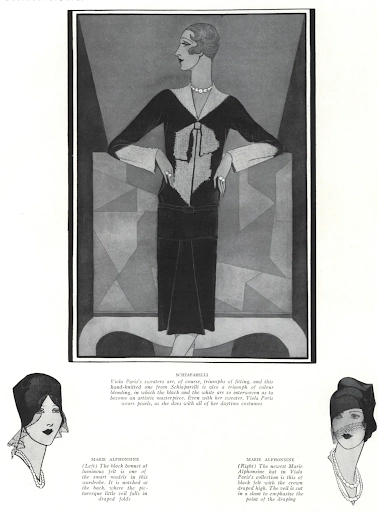
The first trompe-l’oeil Schiap designed was a hand-knitted sweater she made for herself. It was covered in black and white patterns that suggested it could be a bow, a heart, a skeleton, or even a sailor’s tattoo (the meaning changes depending on your perspective), and suddenly, everyone wanted one. That sweater didn’t just launch a trend. It launched the house.

Photo: Atelier Lavs

Photo: Atelier Lavs

Schiap’s proximity to Surrealism was deliberate from the beginning: she frequently collaborated with renowned Spanish artist Salvador Dalí throughout the 1930s and 1940s, as the pair shared a similar vision of Surrealism. 


In her The Little Book of Schiaparelli (2012), Emma Baxter-Wright explains:


“The partnership was rewarding for both artists, as Schiaparelli was known for her love of shock tactics and for her willingness to challenge the conventions of beauty and gender stereotypes.”

Photo: Atelier Lavs

Challenge conventions she did. Schiaparelli used art as a guide for her creative process. Her garments went beyond mere reference of surrealism; they systematically applied its principles.

Because of this, Maison Schaiparelli’s design codes are almost instantly recognizable. Anatomy is everywhere. Schiap’s skeleton gown, presented in the 1938 Le Cirque collection, inverts the inside and outside, while the Teared dress, created with Dalí, features a trompe-l’œil motif that gives the illusion of shredded animal flesh. Both of these blur boundaries of what is “acceptable fashion” and provoke psychological unease.  


Over the years, the house’s designs have continually questioned and expanded the meaning of the body. In current collections, the body is reimagined as a sculpture and a relic. Daniel Roseberry, the house’s current creative director and artistic director, clearly gets the memo and pushes the house’s ethos forward. His Fall/Winter 2026 Haute Couture Presentation brought “The Agony and the Ecstasy”, featuring (provide examples). Nature, botanical, and sea references; unexpected visuals like a dress’s backward skirt.  


Throughout the collections, there were sculpted torsos and body parts blown out of proportion, every other look carried contradictions, and the impact was a renewed cultural relevance for Schiaparelli. 


What’s key is that these looks weren’t just copying Elsa’s old tricks. They were channeling her way of thinking. The show generated significant interest by reviving her spirit of paradox. They made headlines and sparked discussions about what high fashion can represent today. 


And that’s the point. Theatricality is part of Schiaparelli’s DNA and what draws people to Schiaparelli. The house’s playbook is the antithesis of minimalism, commercial thinking, and the idea that clothes have to be practical to matter; confirming what has made it so appealing since its founding, and even more so in recent years. 

Join Our Inner Circle

Be the first to receive exclusive shopping guides, top stories and more.

More From Fashion

Sponsored

/

Vintage Icons of Fashion

By Joyce Bwenyi

/

Brunello Cuccinelli: A Life of Heritage and Legacy

by joyce bwenyi
Sponsored

/

Classic Timepieces For Everyday

By Joyce Bwenyi

/

The History of Elsa Schiaparelli

By Joyce Bwenyi
Join Our Inner Circle
Be the first to receive exclusive shopping guides, top stories and more.

By signing up, you consent to receive Provence Catalogue newsletter and accept our privacy policy. You can unsubscribe at any time.

Vintage Icons of Fashion

Classic Timepieces For Everyday